The botanicals · one entry each
Sixteen ingredients, four moments.
What changes between the four broths is the aromatics. Chinese kitchens have always matched ingredients to the hour: morning roots into the long-simmered breakfast pot, cooling aromatics at midday, warming spice when the day turns, and the quiet evening pantry last. We built the four cups along that same clock, working with traditional Chinese medicine practitioners and the best of modern theory.
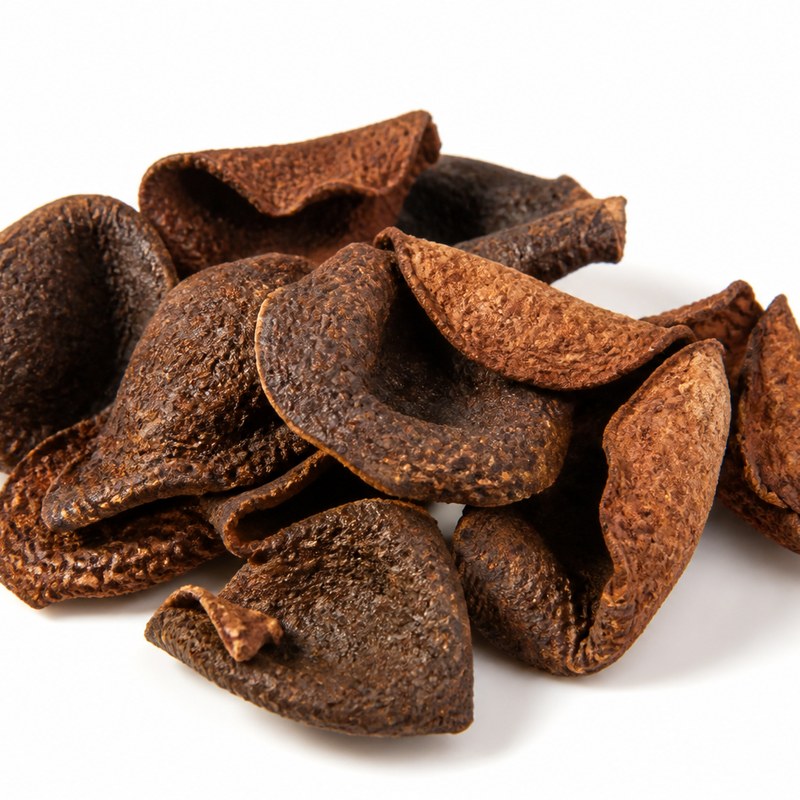
Tangerine peel陈皮 · chén píBittersweet, deeply aromatic.
More
Mandarin peel aged until dark and leathery. In Cantonese kitchens old chén pí is a pantry treasure, graded and traded by vintage like wine, and a regular in long soups and the morning pot. Opens Spark like zest rubbed between your fingers; returns richer and more autumnal in Revive.
SparkRevive
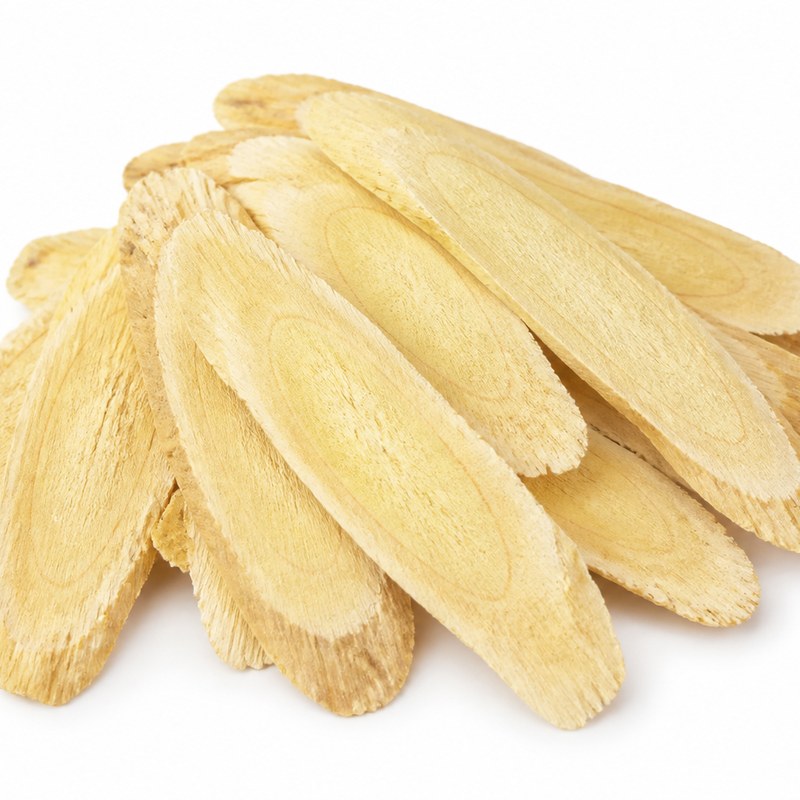
Astragalus黄芪 · huáng qíSubtly sweet, mineral.
More
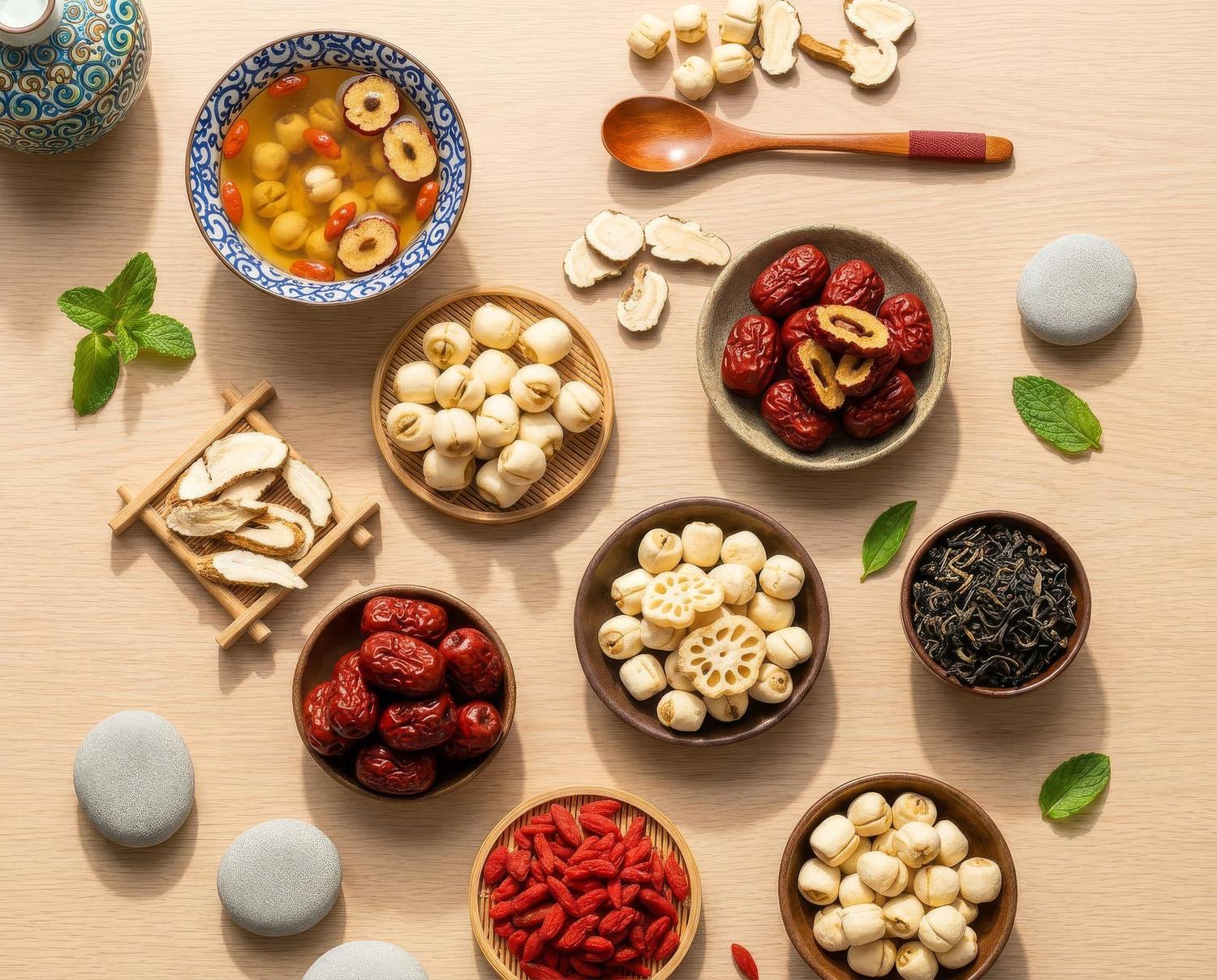
A root of northern Chinese home cooking, sliced thin like tongue depressors and dropped into soups that simmer all morning. The old kitchens put it in decoctions meant for starting the day. We keep it in Spark the same way.
Spark
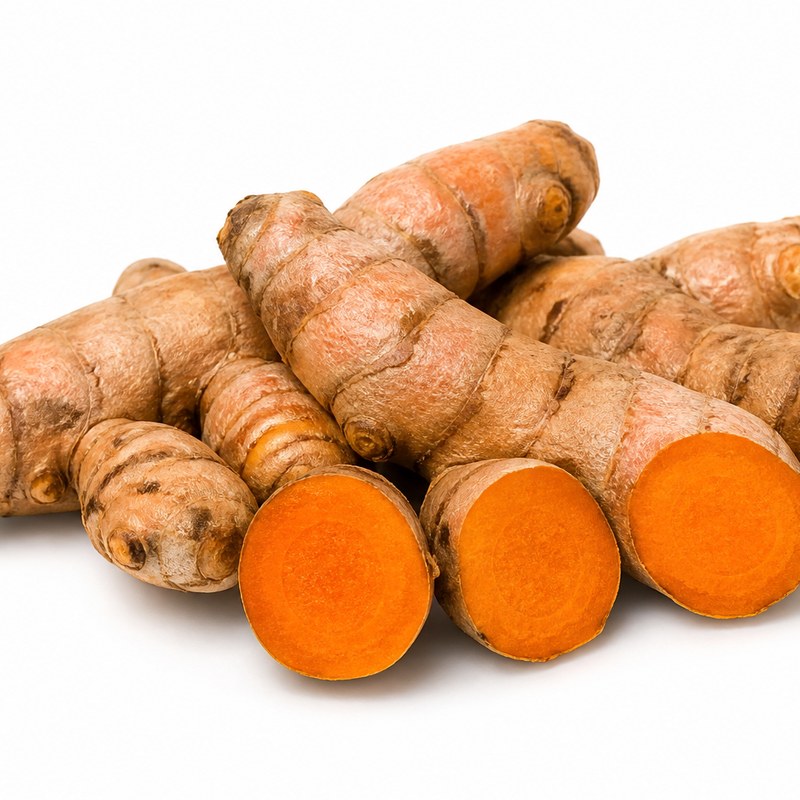
Turmeric姜黄 · jiāng huángEarthy warmth, golden color.
More
The golden rhizome, ground into soups, curries and braises across southern Asia for centuries. A warming kitchen spice. Warm mid-palate in Spark; a whisper of color in Flow.
SparkFlow
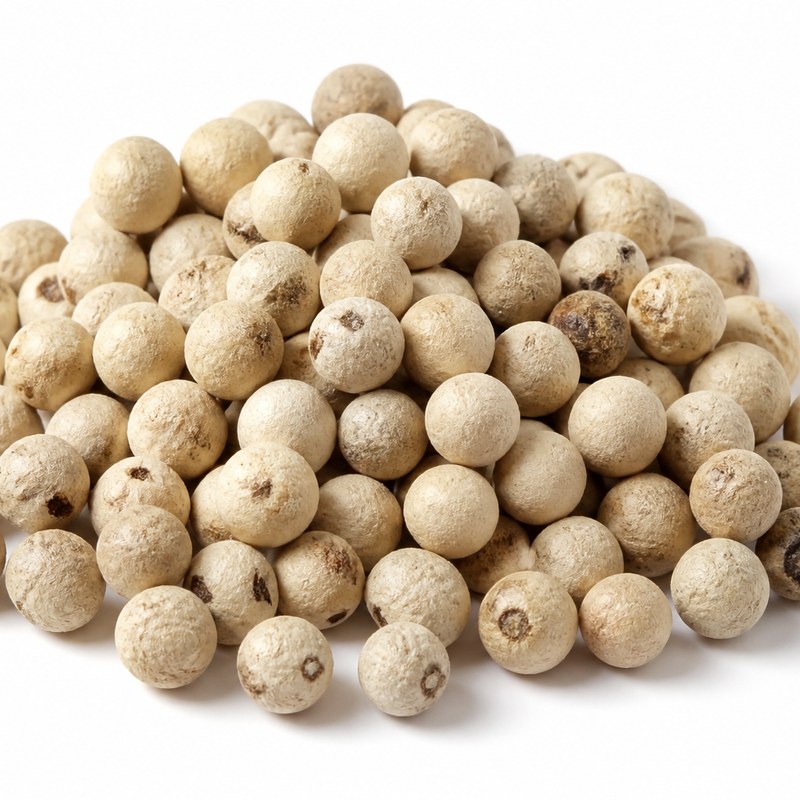
White pepper白胡椒 · bái hú jiāoA dry, gentle heat that arrives late.
More
The pepper of the Chinese soup pot. Hot and sour soup owes it everything. A warming finish rather than a blast of heat. Carries the finish in Spark; the faintest tingle in Flow.
SparkFlow
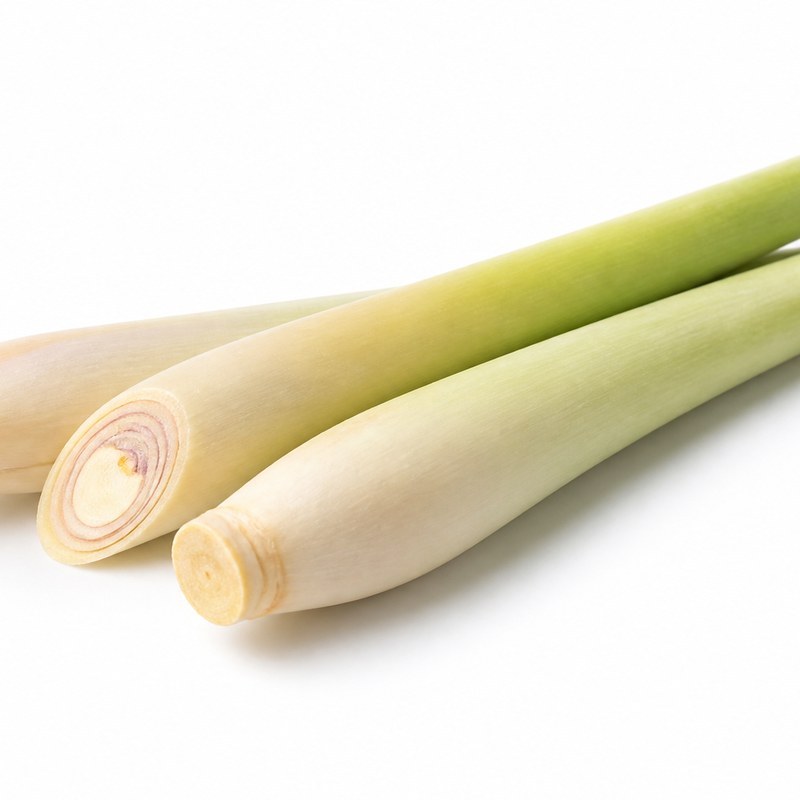
Lemongrass香茅 · xiāng máoGreen, citrusy, almost floral.
More
Bruised stalks are the opening move of broths across Thailand and Vietnam, cooking brightness into the pot rather than on top of it. The cooling lead of Flow.
Flow
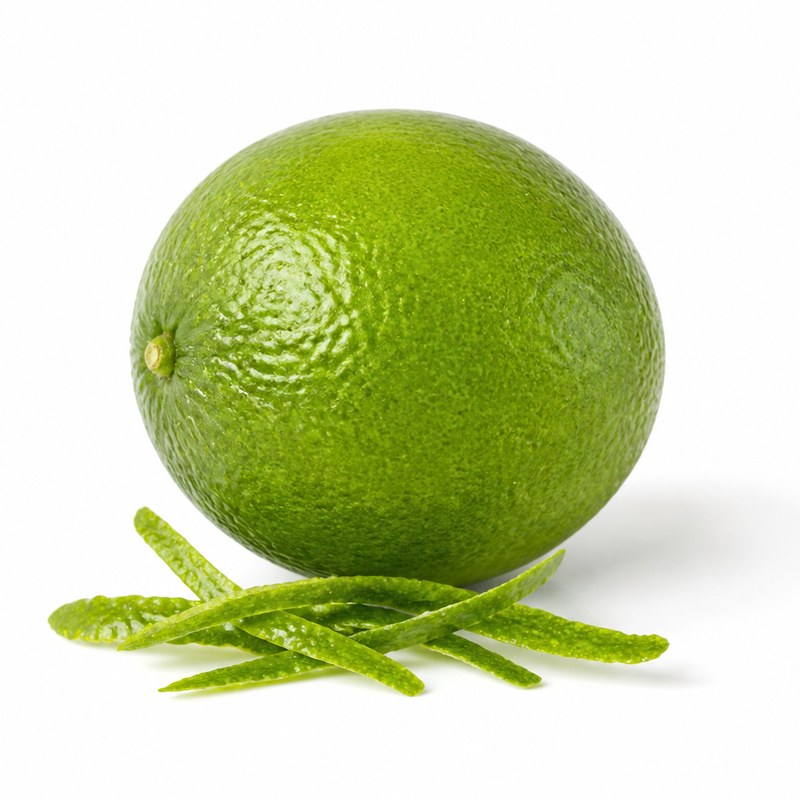
Lime peelTart brightness that keeps it light.
More
The peel carries the aromatic oils the juice never gets. A Southeast Asian trick for keeping a rich broth light on its feet in the heat. Cuts the richness of Flow’s chicken base.
Flow
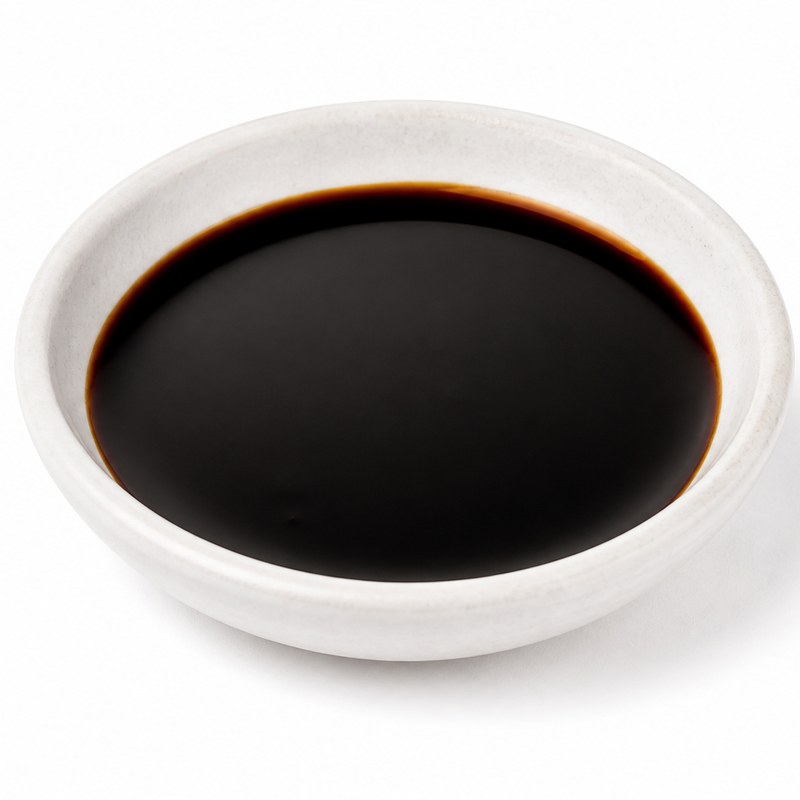
Black vinegar香醋 · ChinkiangMalty, tangy, aged depth.
More
Aged rice vinegar from Zhenjiang, the constant of the dumpling table and of warming kitchen sauces. Closer to balsamic than to anything sharp. Revive’s signature move: it makes the cup read as a dish, not a drink.
Revive
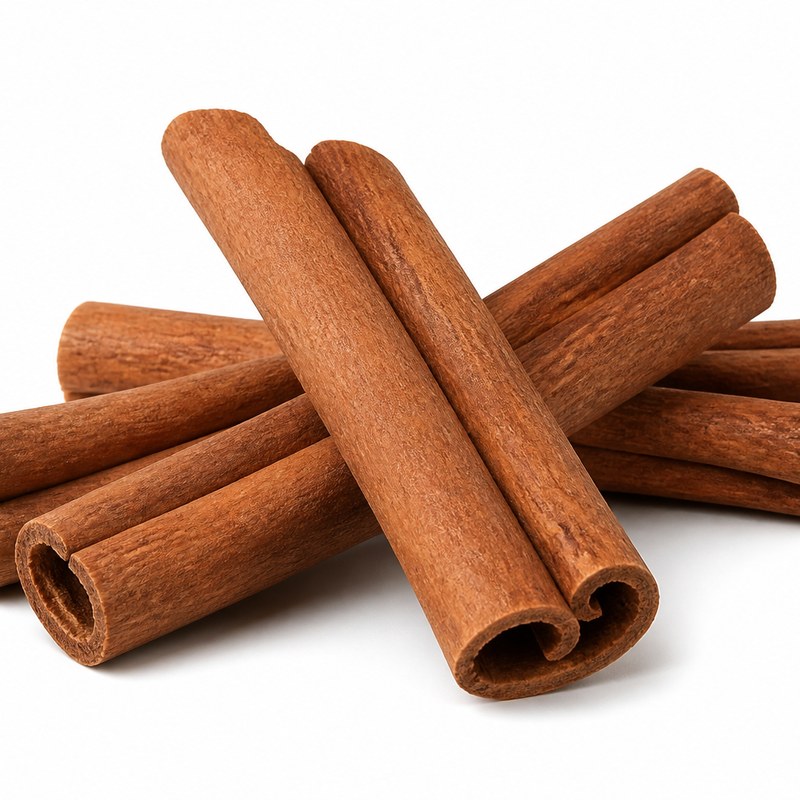
Cinnamon bark肉桂 · ròu guìWarm and woody, not sweet.
More
True bark, not ground candy spice. One of the pillars of five-spice and of every red-braised pot in a Chinese kitchen. The deep spice of the evening stove, and the warming frame around Revive.
Revive
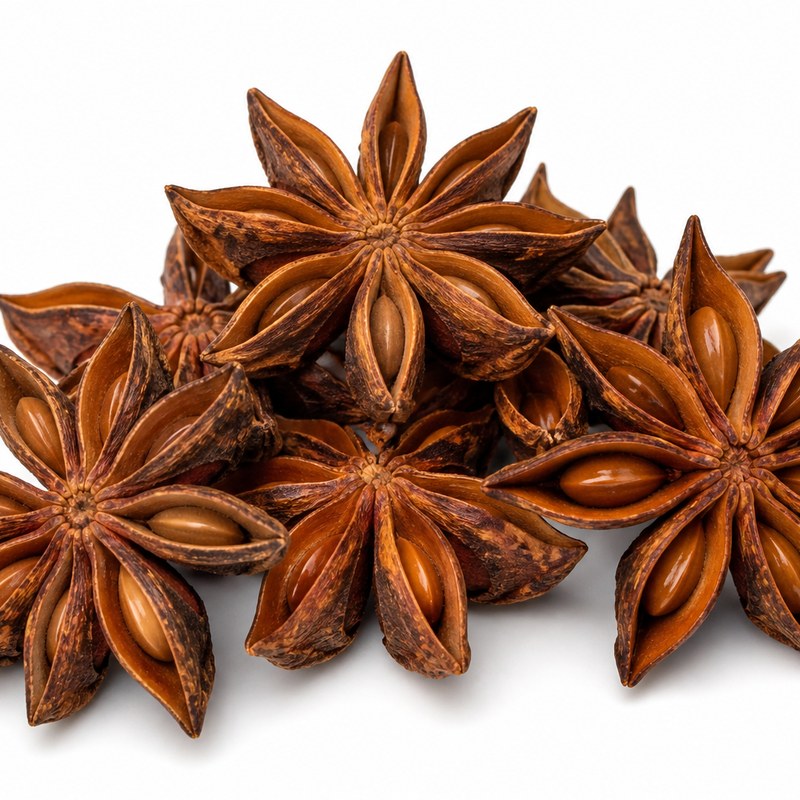
Star anise八角 · bā jiǎoLicorice-sweet aromatics.
More
The eight-pointed pod behind red-braised everything, from Shanghai pork belly to Vietnamese pho. A warming aromatic of the evening stove, and Revive’s top note.
Revive
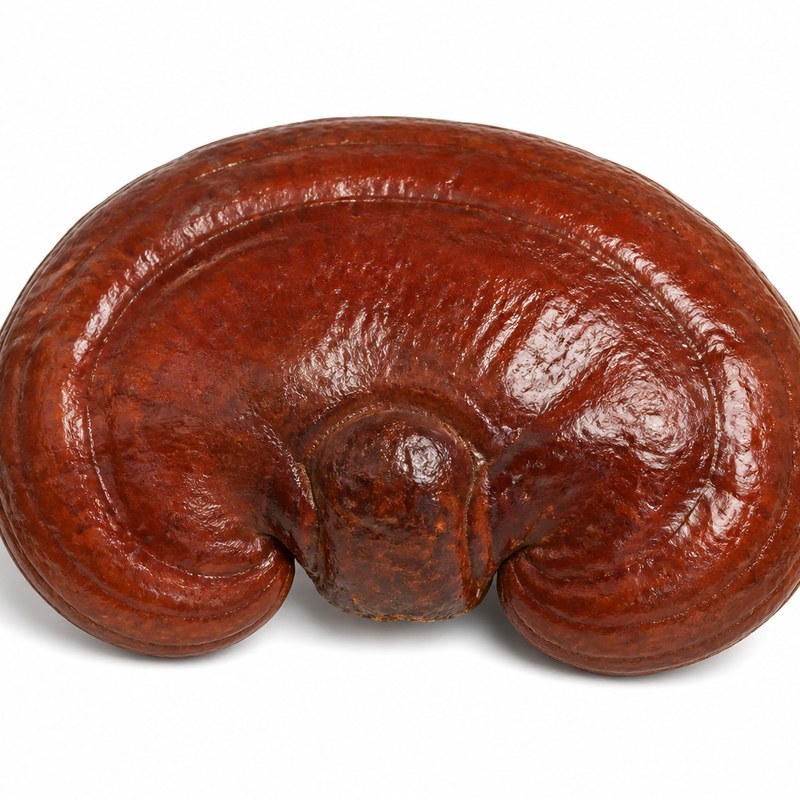
Reishi灵芝 · líng zhīEarthy, forest-floor depth, dosed low.
More
The glossy, lacquered mushroom of Chinese art and legend, carved into temple reliefs and painted onto scrolls for two thousand years. Old kitchens simmered it in decoctions, always a little, because it is earthy and a little bitter. We keep it low, under Unwind’s miso.
Unwind
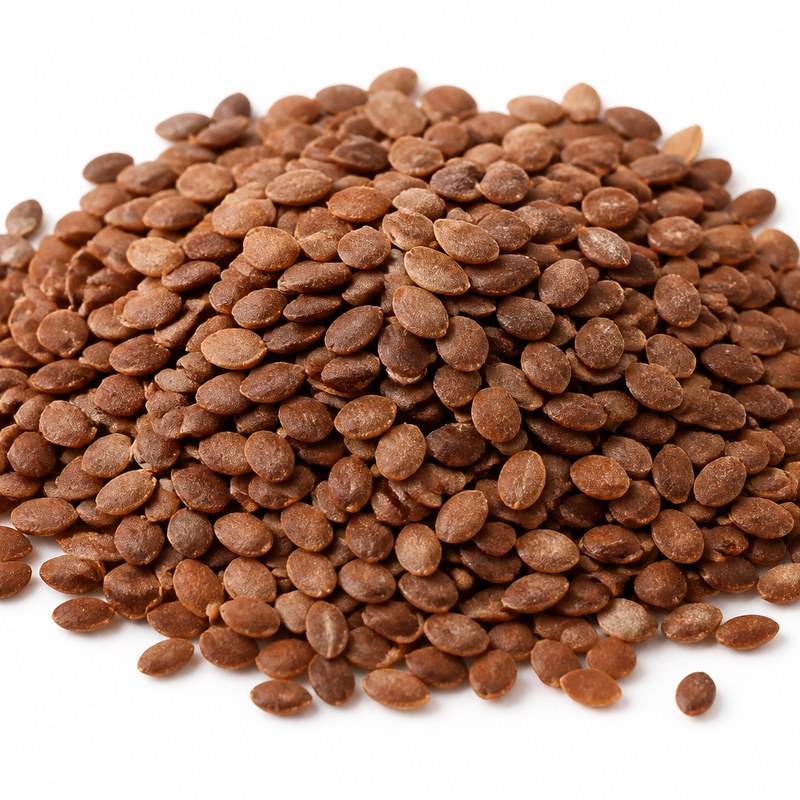
Jujube seed酸枣仁 · suān zǎo rénMild, faintly sweet.
More
The seed inside the sour jujube, a quiet fixture of the Chinese evening pantry, and of evening decoctions. The seed, not the sweet red date it is often confused with. The quietest ingredient in the quietest cup.
Unwind
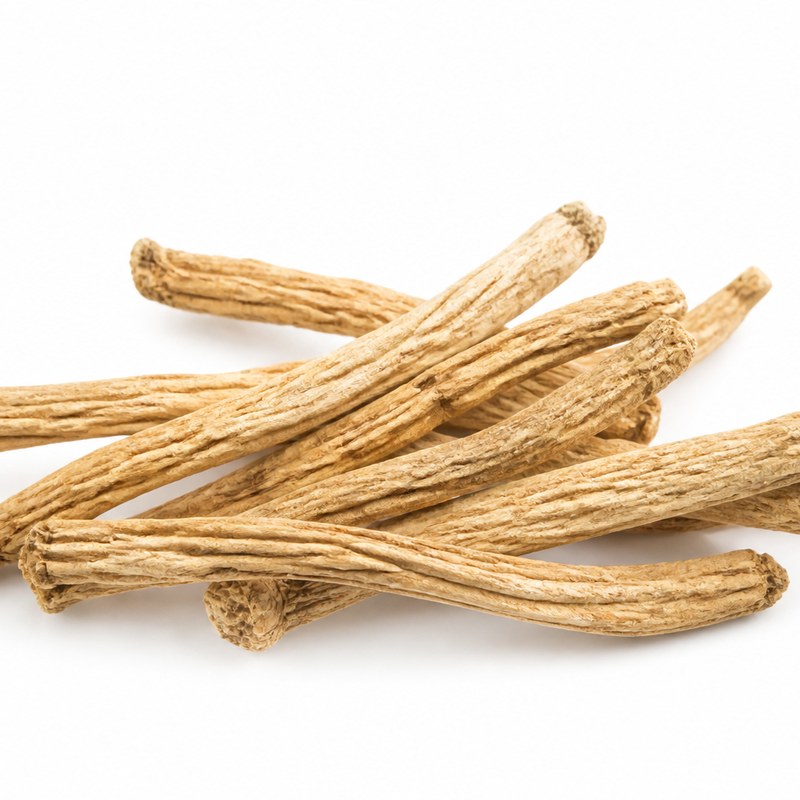
Codonopsis党参 · dǎng shēnMildly sweet, rooty.
More
The gentle soup root of Chinese home cooking, often standing in for ginseng in the family pot. The old kitchens put it in the same long morning decoctions as astragalus. Part of Spark’s morning simmer.
Spark
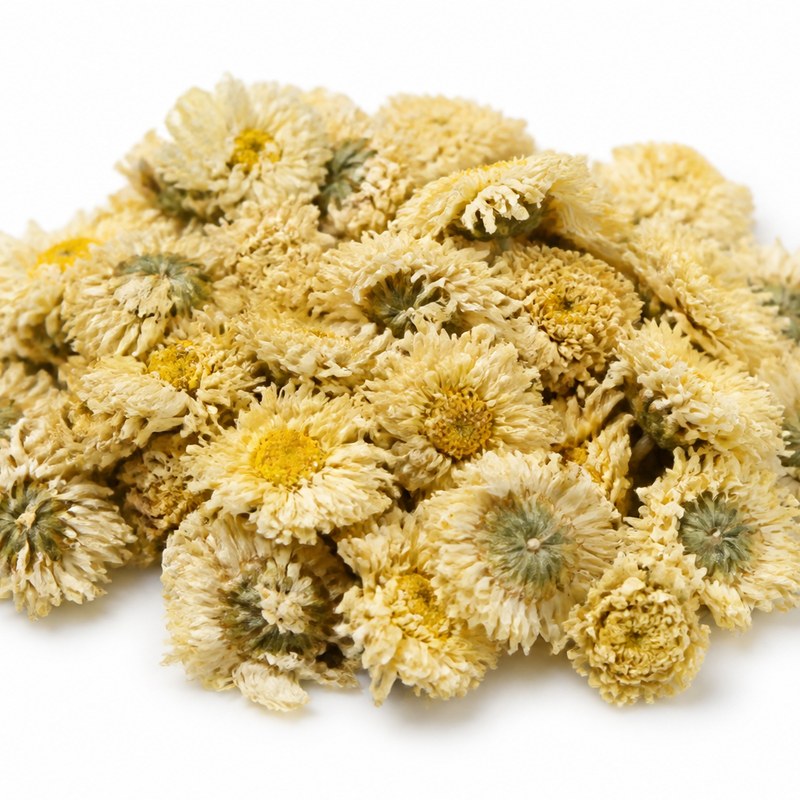
Chrysanthemum菊花 · jú huāFloral, cooling, unmistakable.
More
The flower in a billion teapots. Chrysanthemum tea is what gets poured on hot afternoons across China, the cooling cup when the day is high. Lifts Flow’s citrus with a light floral note.
Flow
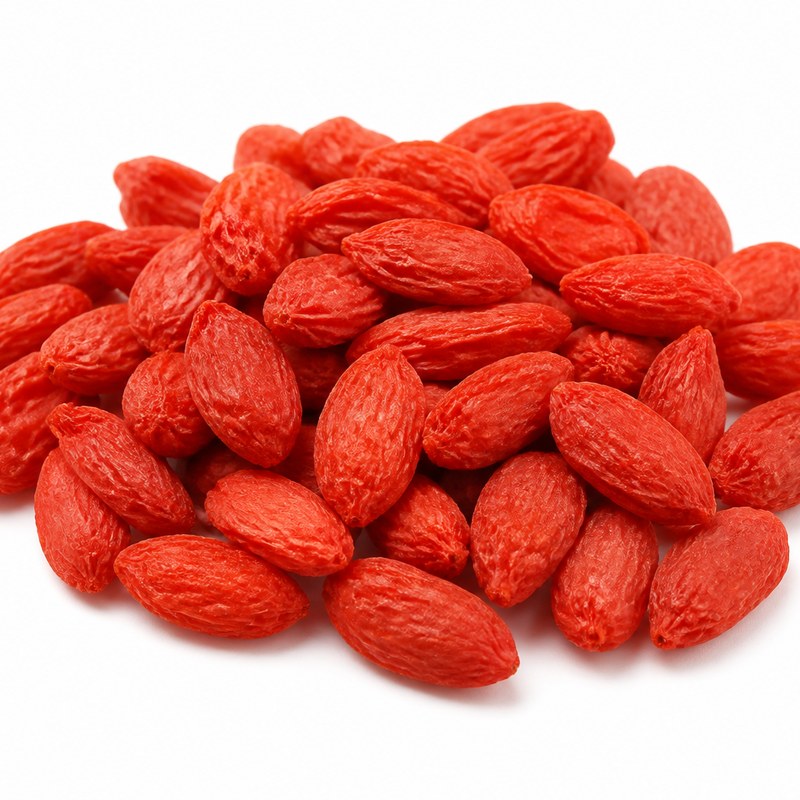
Goji berry枸杞 · gǒu qǐFaintly sweet, like a mild cranberry.
More
The little red berry in every Chinese grandmother’s soup pot, dropped into long family soups as a quiet everyday note. Simmered into Revive’s spiced broth for a quiet sweetness with no added sugar.
Revive
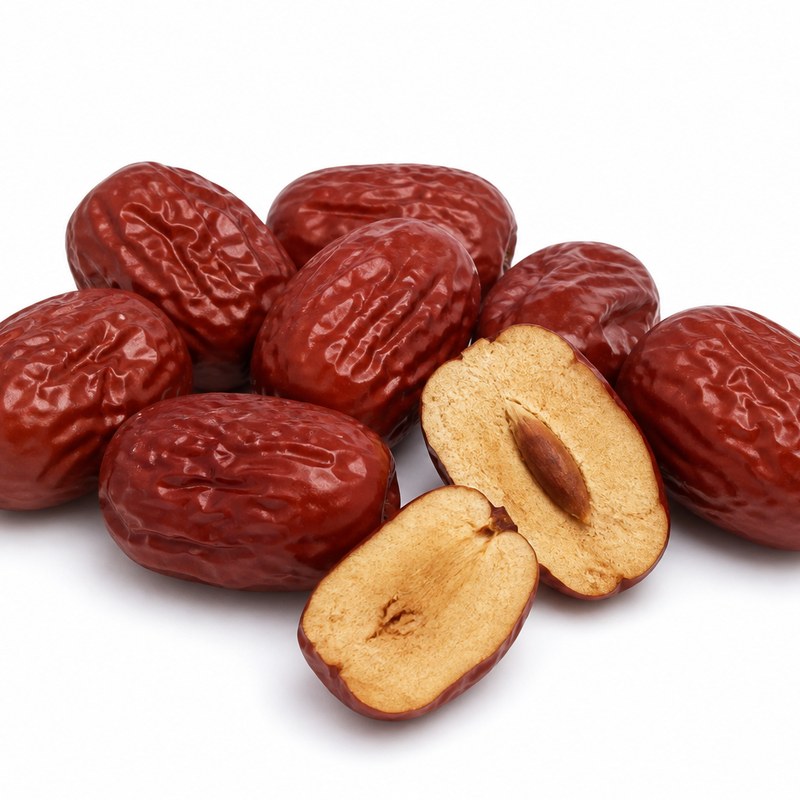
Red date红枣 · hóng zǎoHoneyed, gentle sweetness.
More
The sweet red jujube date of Chinese kitchens, dropped whole into soups and teas, the fruit the family pot reaches for. The fruit itself; its sour cousin’s seed shows up in Unwind.
Revive
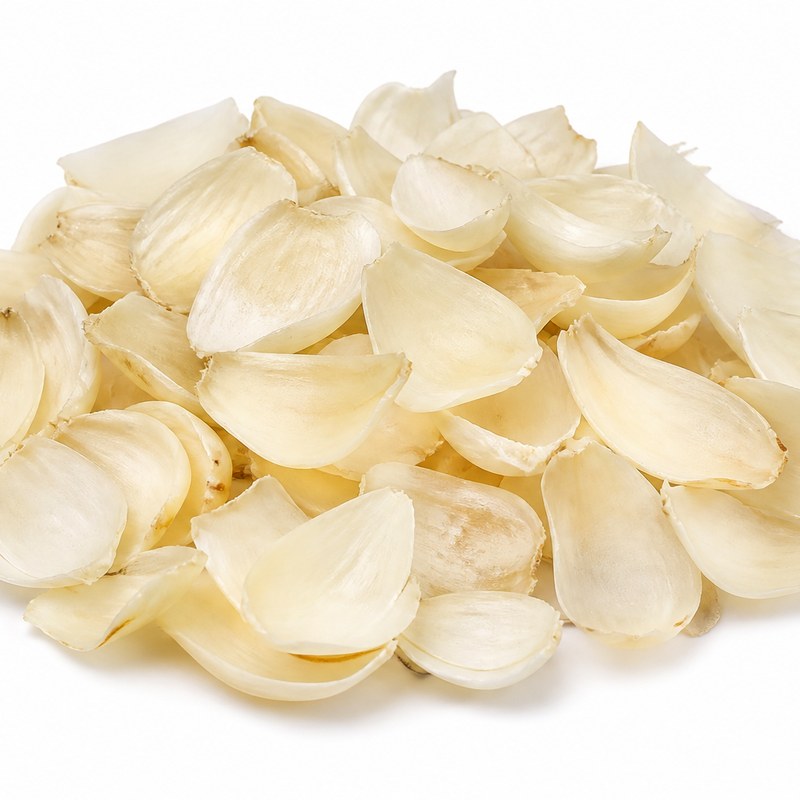
Lily bulb百合 · bǎi héLayered petals, gently sweet.
More
Fresh lily bulb goes into stir-fries and sweet soups across China, prized for its delicate texture, and a regular in the evening sweet-soup pot. Softens Unwind’s miso with a mild sweetness.
Unwind
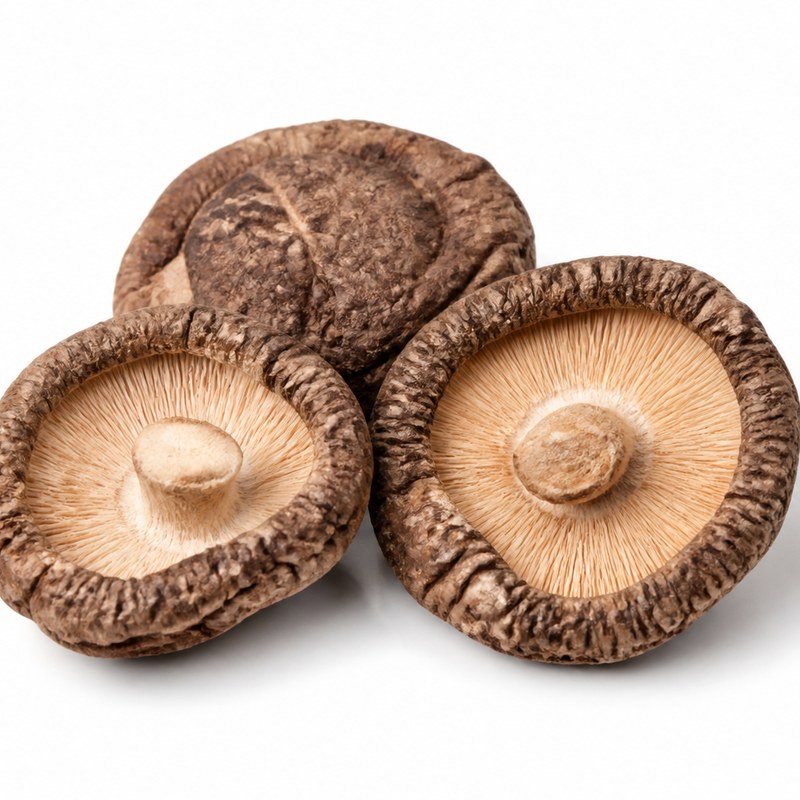
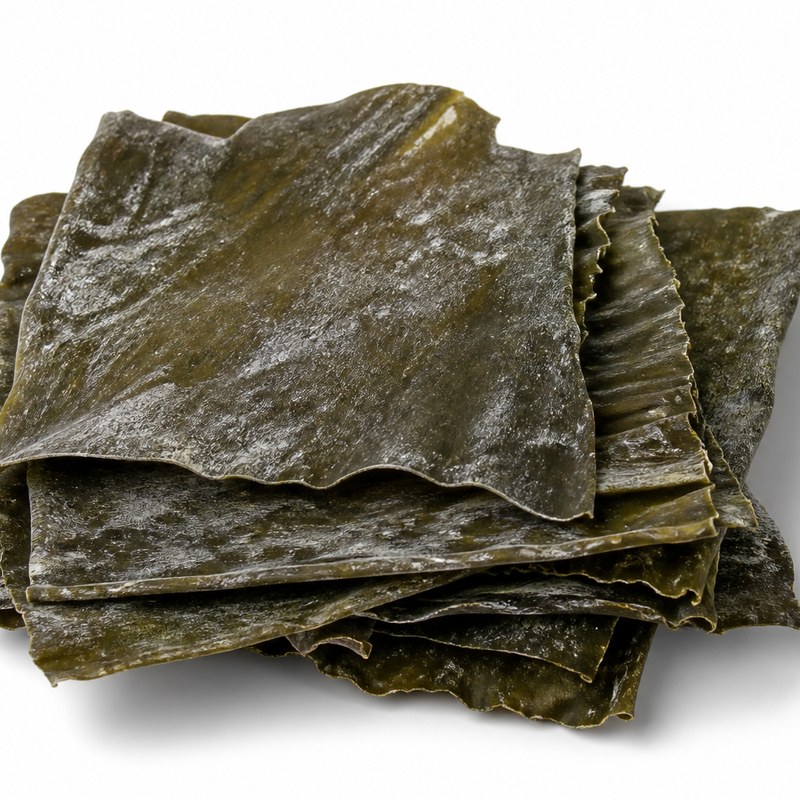
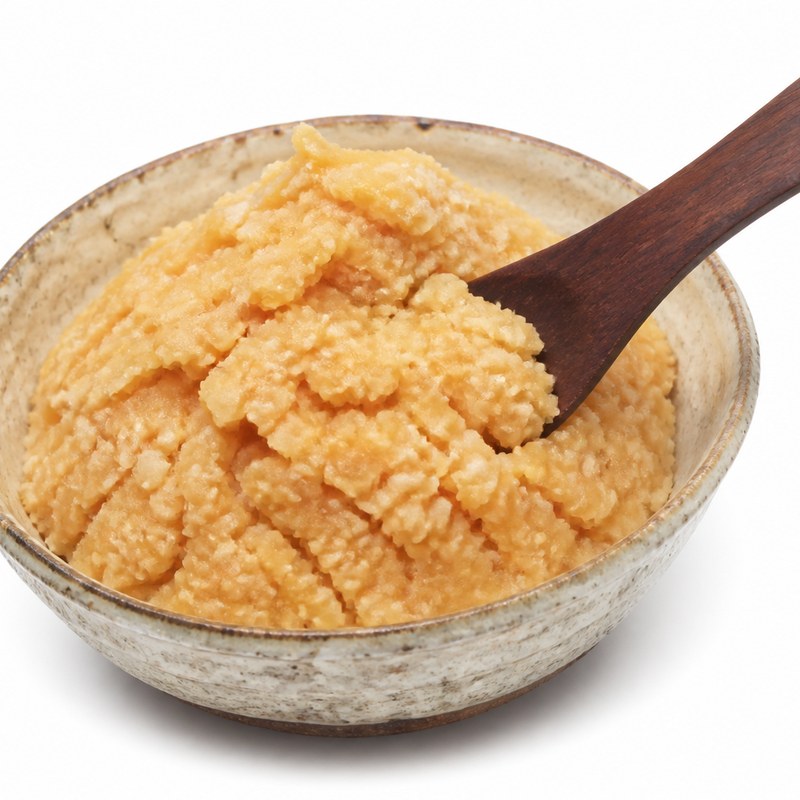
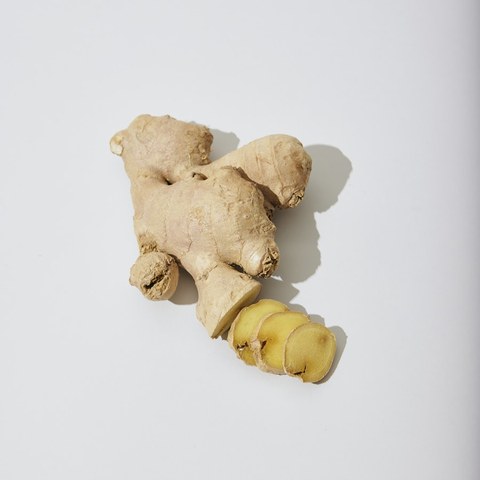
Ingredient photography is studio stills of the actual ingredients, cropped to match the library.